Atlassian has declared that the next era of software development is not a chatbot you prompt like a vending machine, but an always-on agentic AI that hums along while your stand-up meeting pretends to have a plan. The company announced new upcoming Jira features designed to help engineering teams run AI coding agents at large scale, govern their actions over long stretches, and keep them from wandering into forbidden corners of the codebase with the confidence of a raccoon in a pantry. As enterprises adopt more agents, they are not only scaling the work they do; they are asking them to keep going longer, across more stages of the software development lifecycle. That sounds fantastic until you consider trust, grounding, shared context, communication, institutional memory, validation, and the ancient human urge to ask, “Who allowed that?”
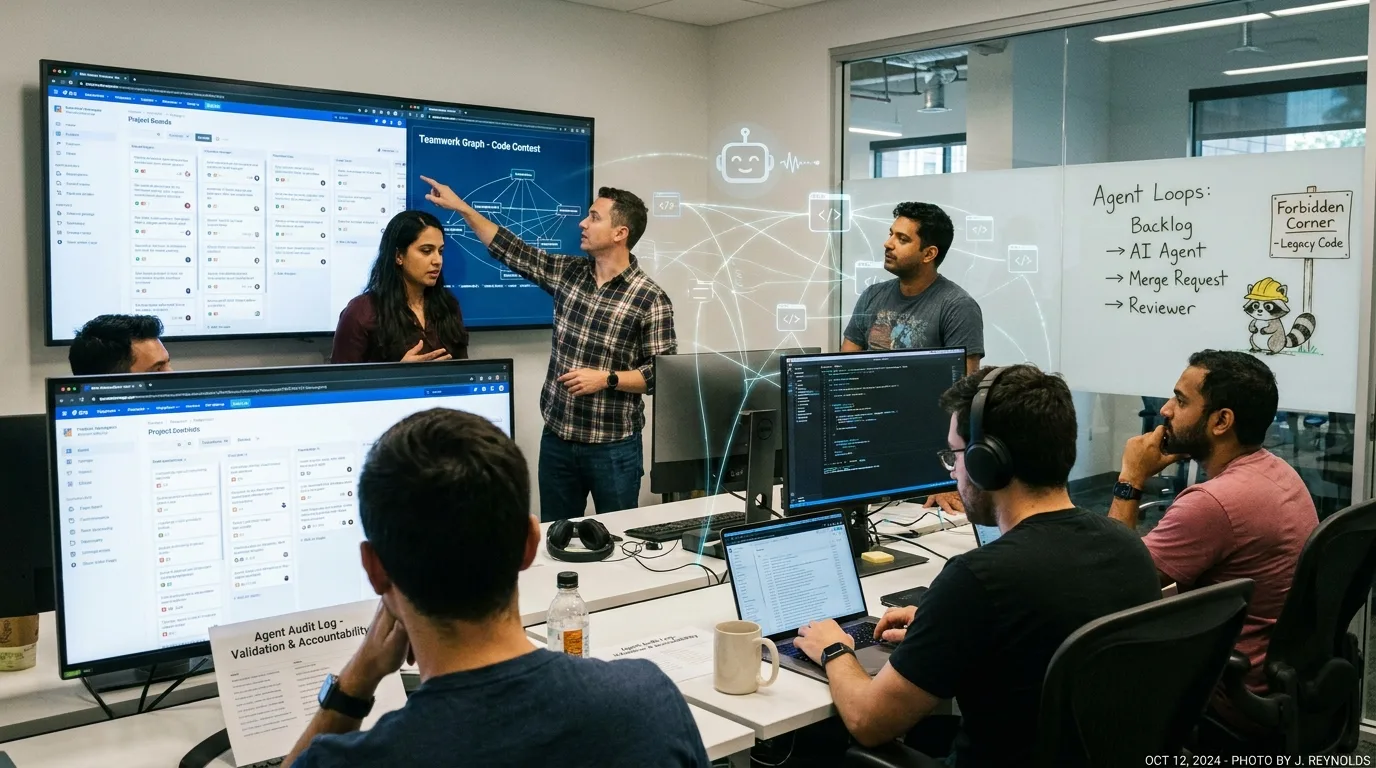
According to Atlassian, many agent failures are not dramatic explosions of artificial intelligence going rogue, but plain old confusion: the agent lacks a decent view of a project’s architecture, decisions and standards. The remedy is grounding. Atlassian is introducing Code Context, built with its Teamwork Graph, to give coding agents secure intelligence across complex, multi-repository codebases. In one anecdote, a team spends days building the perfect agent, only for it to cheerfully patch the wrong microservice because nobody told it the “billing” folder was sacred ground. This is a relatable personal experience: if you have ever tried to explain to a new teammate—or a very literal intern—where the old legacy code lives, you already understand why context is the secret sauce. Add Agent Space Settings and Agent Context Controls, and teams can govern where agents operate, what they can see, and what they can do, managing AI helpers much like employee access.
The ideal AI coding agent is not a chatbot you have to coax, one weary prompt at a time. It can run automatically, activating when work needs to be done, checking in, and then, if all goes well, drifting back into the digital shrubbery without needing constant supervision. That is where Agent loops in Jira enter. Atlassian describes a system that scans backlogs for work, turns it into code merge requests inside Jira, applies a standards system to conform code, and uses a dedicated agent to review merge requests against standards and flag problems. Think of it as a tiny, extremely diligent assembly line: the backlog supplies raw ambition, the agent transforms ambition into pull requests, and the reviewer catches the places where ambition forgot unit tests.
But none of this happens in the dark. There is no perfect playbook yet, and best practices are still being stitched together, so Atlassian is pitching validation, transparency, and accountability. Every agent run can generate an audit log with diagnostics, measuring AI impact across throughput, quality, adoption, and cost. A usage dashboard shows who is using the tools, how, and what outcomes land at team level. The goal? Help teams graduate from foreground coding assistants to always-on background agents that reliably pick up engineering tedium.