I’ll never forget the Tuesday I nearly drowned in a sea of identical customer emails. My inbox was a digital mosh pit, armed with lukewarm coffee and a stubborn refusal to hire another intern. I spent forty-five minutes copy-pasting tracking numbers, my fingers practically smoking from the repetition. That’s when a colleague whispered the magic word: AI. Suddenly, a chatbot swept in like a tuxedo-wearing butler, fielding inquiries while I finally caught my breath. If you think artificial intelligence is just a tech-bro buzzword, meet the silent partner quietly rewiring the corporate playbook.
First, AI is the ultimate office gremlin-tamer. By automating mundane drudgery like data entry and routine support, it frees humans to actually think. Businesses deploy AI assistants that handle the “Where’s my order?” chorus, letting staff tackle knotty problems. It’s like giving your team a gentle nudge out of the spreadsheet swamp.
Then comes the crystal ball with a PhD: predictive analytics. Remember when forecasting sales felt like throwing darts blindfolded? AI devours historical data and spits out trends faster than you can say “quarterly report.” Retailers use it to predict seasonal demand, manufacturers deploy it to sniff out equipment failures before they cough smoke, and supply chains run smoother than freshly oiled hinges. It turns guesswork into a well-rehearsed dance.
Personalization has also graduated from “Dear Valued Customer” to deeply bespoke. AI analyzes browsing habits to serve recommendations that feel eerily prescient. It’s the digital equivalent of a bartender who knows you want an old fashioned before you even sit down. The result? Sticky relationships, loyal patrons, and a sales funnel that actually funnels.
Let’s not forget the data-detective on guard duty. Fraud detection used to rely on hope and hourly audits. Now, AI scans millions of transactions in real-time, flagging anomalies with the precision of a hawk spotting a field mouse. It’s a silent sentinel that never sleeps and certainly doesn’t need a dental plan.
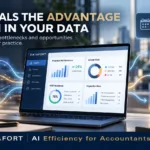
Finally, AI has become the boardroom’s compass. By crunching complex datasets, it surfaces opportunities and lurking risks that human eyes would miss. Decision-making shifts from gut feeling to guided navigation, letting companies pivot faster than a caffeinated squirrel. Executives no longer need to gamble; they simply consult the digital oracle.
From banishing busywork to forecasting tomorrow, AI isn’t just tweaking business machinery—it’s installing a new engine entirely. As these algorithms evolve, the only question is whether we’ll ride the wave or get swept under the digital rug. Personally, I’m just glad I can finally enjoy my coffee without an inbox-induced panic attack.